Skip to content
  • SVTA University Calendar
  • Courses
    • In-Person Training
  • Hot Topics
  • Education Resources
    • Conferences
      • Demuxed
      • Mile High Video
      • NAB Streaming Summit
      • SEGMENTS
      • Streaming Tech Sweden
    • Industry Resources
    • Media Samples
    • SVTA Webinars
  • Instructors
  • Register
  • Log In
  • SVTA University Calendar
  • Courses
    • In-Person Training
  • Hot Topics
  • Education Resources
    • Conferences
      • Demuxed
      • Mile High Video
      • NAB Streaming Summit
      • SEGMENTS
      • Streaming Tech Sweden
    • Industry Resources
    • Media Samples
    • SVTA Webinars
  • Instructors
  • Register
  • Log In
$0.00 0 Cart

Conference Proceedings

  • Home
  • Performant and accessible client-side media processing with Mediabunny
Performant and accessible client-side media processing with Mediabunny

Description

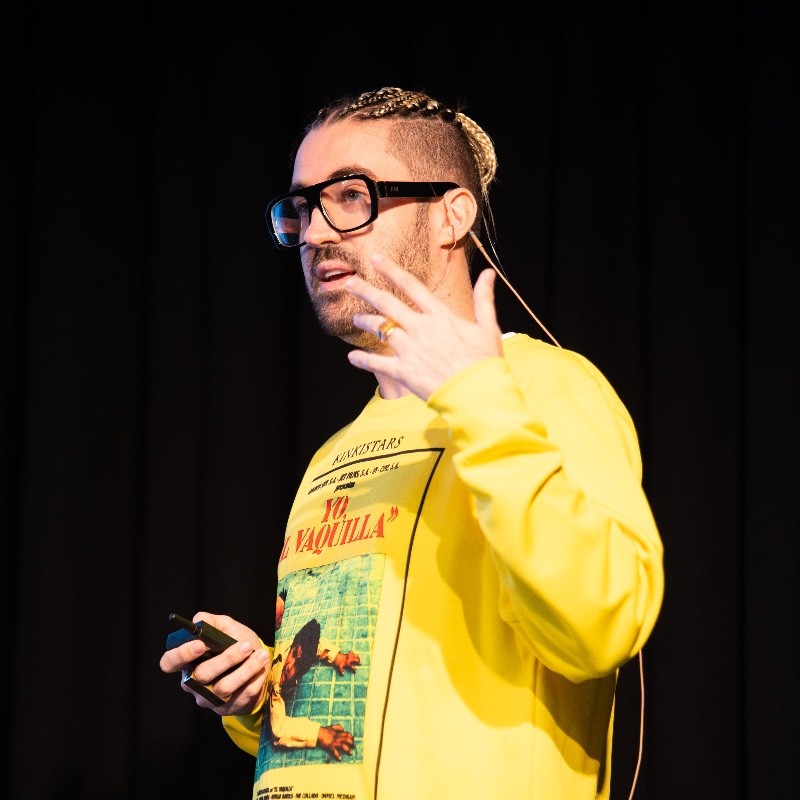
Traditionally, web apps that needed media processing had to choose between server-side pipelines, massive FFmpeg WASM builds, or work with the limited set of HTML5 media APIs. These solutions were often slow, expensive, or too inflexible for more complex use cases. WebCodecs changed the game by exposing direct access to the browser’s media pipeline, making us dream about what the web could deliver: powerful, super-fast video editors, DAWs, recorders, converters, all running entirely on-device. But if you’ve used WebCodecs, you’ll know it’s low-level, somewhat advanced, and only one piece of the puzzle. To build serious media apps, you need much more. Enter Mediabunny, a new library purpose-built from scratch for the web to be a full toolkit for client-side media processing. It unifies muxing, demuxing, encoding, decoding, converting and streaming under a single API and embraces the web as a platform. I’ll share the origin story of how a 3D platformer game accidentally pulled me into media processing, and how lessons learned from my previous libraries mp4-muxer and webm-muxer shaped Mediabunny’s final design. We’ll briefly explore its architecture and show a demo, and discuss how it can power a new generation of highly performant web-based media tools. This talk was presented at Demuxed 2025 in London, a conference by and for engineers working in video. Every year we host a conference with lots of great new talks like this – learn more at https://demuxed.com


Conference

Demuxed 2025

Speakers

David Payr

Learning Categories

Encoding
FFMPEG
WebCodecs
Workflows

Other Proceedings

Here are some other proceedings that you might find interesting.

What Codec Should I Use?

Alan Resnick

Doing Server-Side Ad Insertion on Live Sports for 25.3M Concurrent Users

Ashutosh Agrawal

Is now the time to solve the deepfake threat?

Roderick Hodgson

Super Resolution: The scaler of tomorrow, here today!

Nick Chadwick

The do's and don'ts about Streaming security

Javier Brines Garcia

Modeling the conceptual structure of FFmpeg in JavaScript

Ryan Harvey

Objectionable Uses of Objective Quality Metrics

Richard Fliam

RTMP: web video innovation or Web 1.0 hack… how did we get to now?

Sarah Allen

Large-Scale Media Archive Migration to the Cloud

Konstantin Wilms

HEVC Upload Experiments

Chris Ellsworth

Related Courses

Below are some courses that might interest you based on the learning categories and topic tags of this conference proceeding.

What Codec Should I Use?

Alan Resnick

Doing Server-Side Ad Insertion on Live Sports for 25.3M Concurrent Users

Ashutosh Agrawal

Is now the time to solve the deepfake threat?

Roderick Hodgson

Super Resolution: The scaler of tomorrow, here today!

Nick Chadwick

The do's and don'ts about Streaming security

Javier Brines Garcia

Modeling the conceptual structure of FFmpeg in JavaScript

Ryan Harvey

Objectionable Uses of Objective Quality Metrics

Richard Fliam

RTMP: web video innovation or Web 1.0 hack… how did we get to now?

Sarah Allen

Large-Scale Media Archive Migration to the Cloud

Konstantin Wilms

HEVC Upload Experiments

Chris Ellsworth

Follow

Twitter Linkedin-in

User Area

  • Account
  • FAQs
  • Orders
  • Registration
  • Account
  • FAQs
  • Orders
  • Registration

Resources

  • About
  • FAQs
  • Legal Hub
  • Support
  • How-To Take A Course
  • How-To Navigate the Interface
  • About
  • FAQs
  • Legal Hub
  • Support
  • How-To Take A Course
  • How-To Navigate the Interface

SVTA Sites

  • Diversity and Inclusion
  • LABS
  • OATC
  • Open Caching
  • SEGMENTS
  • Streaming Video Wiki
  • SVTA Fellows
  • SVTA University
  • Diversity and Inclusion
  • LABS
  • OATC
  • Open Caching
  • SEGMENTS
  • Streaming Video Wiki
  • SVTA Fellows
  • SVTA University

© Copyright Streaming Video Technology Alliance (SVTA).

About the SVTA University

The SVTA University (SVTAU) is an educational arm of the Streaming Video Technology Alliance, providing courses and other instructional content related to understanding and working with components within the streaming video stack.

About the SVTA

The Streaming Video Technology Alliance is a global technical association committed to bringing video streaming companies together to help build a better viewer experience at scale. Find out more at www.svta.org.

Payment Forms

Stay In-the-Know!

Enter your email address below to subscribe to our newsletter for the latest in available courses and other Institute news. Note that by doing so, you agree to our privacy policy.

Loading...

Insert/edit link

Enter the destination URL

Or link to existing content

    No search term specified. Showing recent items. Search or use up and down arrow keys to select an item.